Transforming Care Management with Voice AI: Why We Invested in Tucuvi
By Pablo Ventura on March 9, 2026 / portfolio
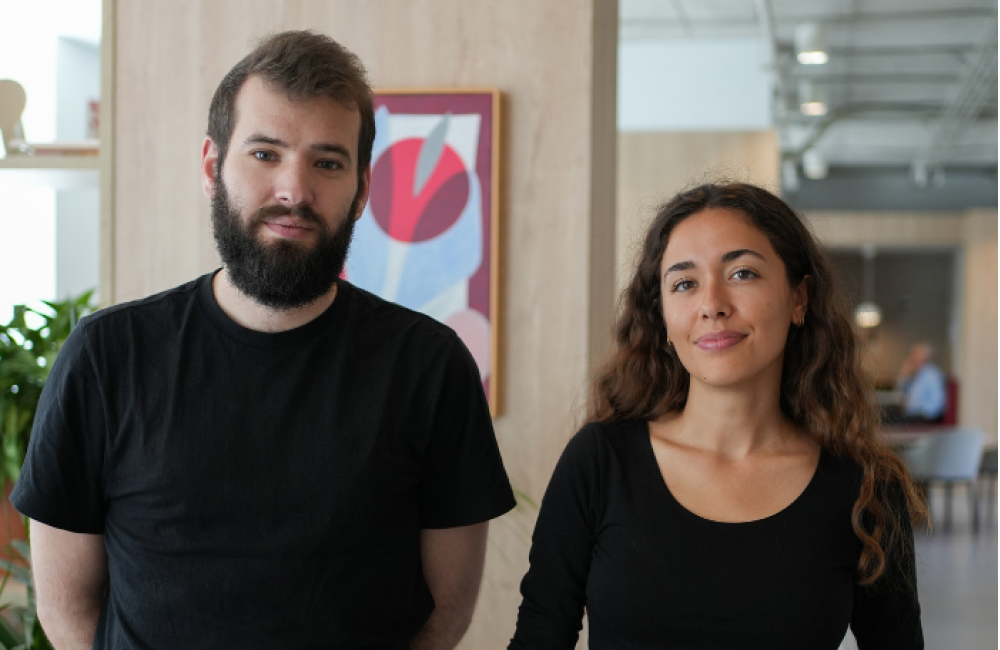
At Kfund, we are excited to announce a new investment in Tucuvi, which has raised $20 million in Series A funding to accelerate the adoption of its AI Care Management platform across healthcare organizations.
Alongside us, the round also included participation from Cathay Innovation and existing investors such as Frontline Ventures, Seaya Ventures, and Shilling. The new capital will be used to accelerate go-to-market expansion and support continued product development as Tucuvi scales its technology across healthcare systems
Healthcare systems worldwide are under increasing pressure. Rising life expectancy, the growth of preventable chronic diseases, and inefficient use of resources are pushing healthcare expenditure toward unsustainable levels, expected to exceed 20% of GDP in many countries by 2050. At the same time, the sector faces a critical shortage of qualified professionals. In the United States alone, projections point to a shortfall of tens of thousands of registered nurses by the end of the decade, a trend mirrored by healthcare systems worldwide.
Overstretched systems and inefficient follow-up care
In this environment, repetitive but essential tasks such as post-procedure follow-up calls or regular check-ins with chronic and home-hospitalized patients place a heavy burden on doctors and nurses. These interactions are often handled manually: clinicians call patients one by one and record responses into hospital systems by hand. The process is time-consuming, prone to error, and ultimately reduces the time healthcare professionals can dedicate to complex, high-value care.
As a result, follow-ups may become irregular or be skipped entirely. This leads to poorer health outcomes, lower patient satisfaction, and higher costs, particularly for high-risk patients, who account for a disproportionate share of healthcare spending and are more likely to experience complications or avoidable readmissions without consistent monitoring.
Tucuvi directly addresses these challenges with a voice-based AI care management platform designed to scale follow-up care without increasing staff. Current coverage spans both admin use cases (i.e., scheduling) and clinical workflows such as care management and medication therapy management.
Clinical voice AI that scales follow-up care
At the core of the platform is LOLA, an AI voice agent that conducts clinical phone calls with patients at home, whether they are chronic, post-surgical, or high-risk. Using natural, protocol-guided conversations, LOLA collects structured health data during each interaction. This information is automatically uploaded to hospital systems via API integrations, removing the manual data-entry burden from nurses and doctors and significantly reducing the risk of errors.
Complementing LOLA is the Tucuvi Health Manager, a clinical dashboard that gives care teams real-time visibility into patient status. Patients are prioritized based on risk, and the system flags cases that require human escalation according to predefined clinical protocols. This allows healthcare organizations to focus their limited clinical resources where they are most needed.
Together, these tools enable healthcare systems to expand follow-up capacity without hiring additional staff, detect patient deterioration earlier, reduce avoidable readmissions, and deliver better outcomes, especially for the patients who generate the highest costs and need the most attention.
At Kfund, we believe technology can play a transformative role in addressing some of healthcare’s most pressing structural challenges. Tucuvi exemplifies this vision by combining clinical rigor with scalable AI, delivering what we believe is one of the most accurate clinical voice AI solutions on the market, built to the highest standards and CE-certified, to improve patient outcomes while making more efficient use of scarce healthcare resources.
We’re proud to support María, Marcos and the entire Tucuvi team and look forward to seeing the company’s continued impact as it scales its AI-driven care management platform globally.